


How to ensure the front shock absorber remains unchanged and leak-free under long-term high-load conditions?
Release Time : 2025-12-11
During vehicle operation, the front shock absorber acts like a "joint damper," silently absorbing every impact from the road surface, lateral forces during cornering, and the intense compression from braking. Especially under high-speed cornering, continuous bumps, or full load conditions, the pressure and friction inside the front shock absorber are extremely demanding. If the core components—the cylinder and piston rod—are made of materials with insufficient strength, they are prone to minor deformation, surface scratches, and even structural fatigue, leading to oil leakage, damping failure, and ultimately affecting handling stability and driving safety. Therefore, using high-strength materials to manufacture these two key components is the fundamental guarantee for ensuring the long-term reliable operation of the front shock absorber.
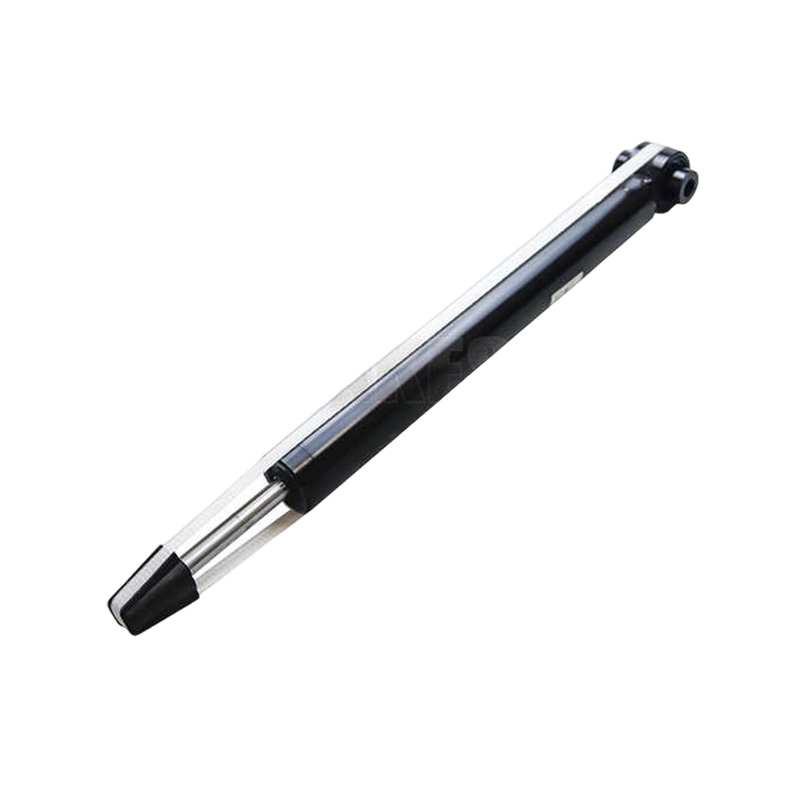
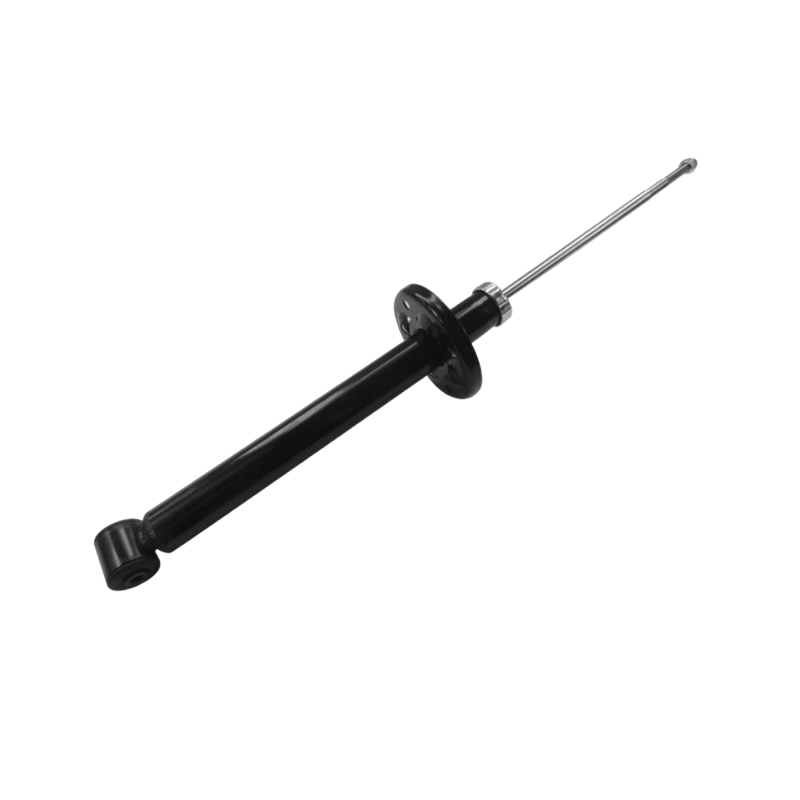
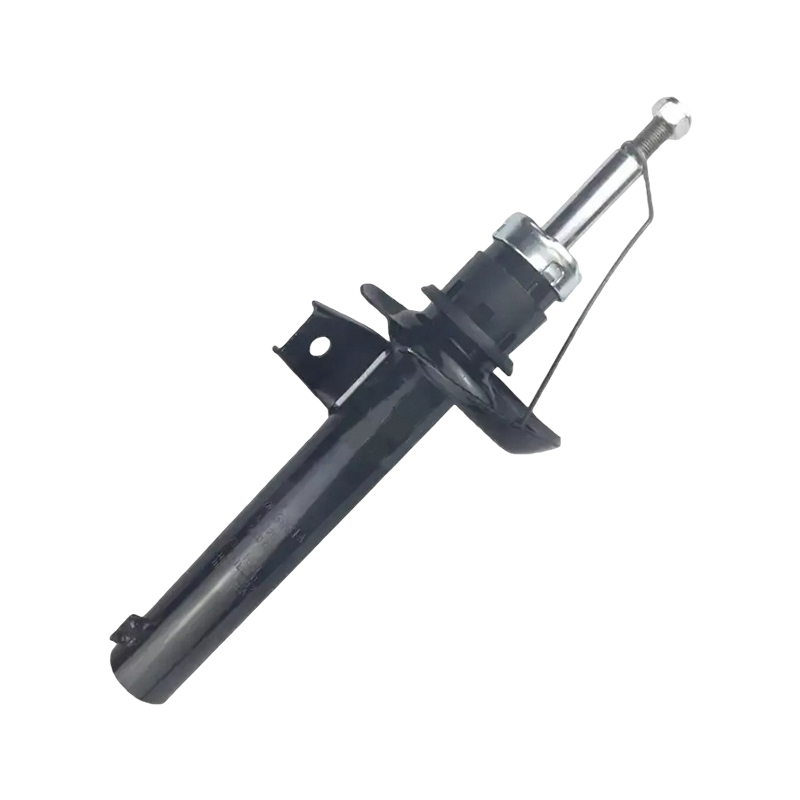
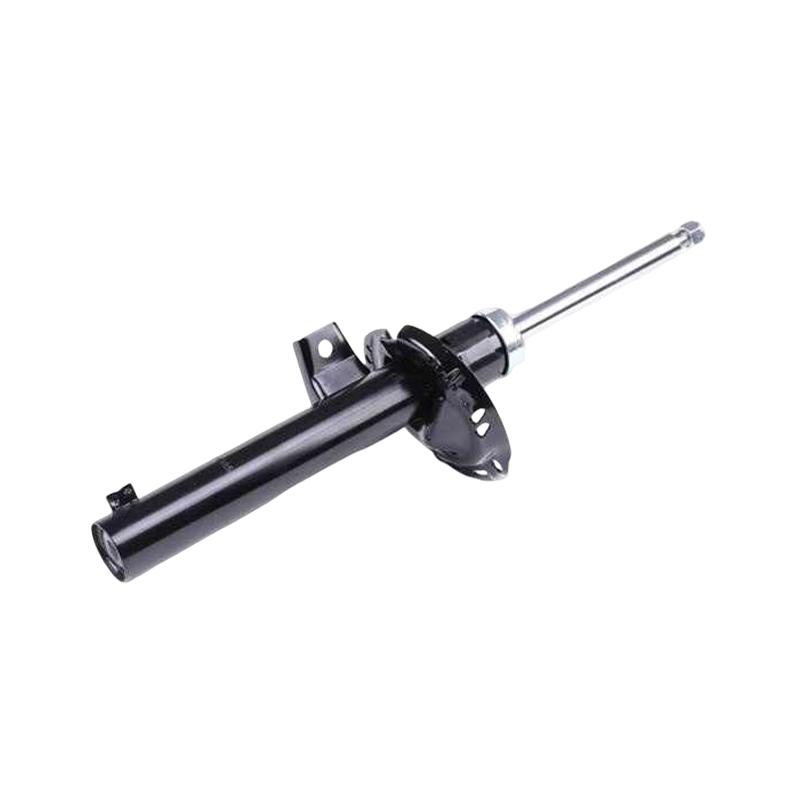
The cylinder, as the main structure of the shock absorber, contains hydraulic oil and guides the reciprocating motion of the piston. It must possess extremely high rigidity and a smooth inner wall. High-quality front shock absorbers typically use high-strength cold-drawn seamless steel tubing as the cylinder base material, which undergoes precision honing to form a mirror-finish inner wall. This high-hardness, high-density metal structure not only resists external impacts and internal high pressure without bulging or bending, but also provides a stable and smooth sliding track for the piston seals. Even during tens or hundreds of thousands of compression and rebound cycles, the cylinder maintains its geometric precision, preventing uneven stress on the sealing lip due to minor deformations, thus preventing oil leakage from gaps.
The piston rod, on the other hand, is the dynamic core directly connecting the wheel and the vehicle body. One end bears the complex loads from the suspension arms, while the other end reciprocates at high speed within the cylinder. Its material requirements are even more stringent: it must not only possess high tensile strength to resist bending and fracture, but also excellent surface hardness and wear resistance. High-end front shock absorbers generally use high-carbon alloy steel to manufacture the piston rod, which undergoes heat treatment processes such as quenching, tempering, and high-frequency induction hardening to form a hard and wear-resistant "armor" on the surface, while the core retains its toughness to absorb impact energy. Furthermore, the piston rod surface is often chrome-plated or nitrided to further enhance corrosion and scratch resistance. Even in harsh road conditions with flying mud and gravel, the piston rod slides smoothly within the sealing ring without being scratched, effectively preventing dust particles from embedding in the sealing interface and causing permanent leakage channels.
More importantly, the coordinated operation of the cylinder and piston rod constitutes the shock absorber's "dynamic sealing system." While the high-performance sealing ring directly seals the oil, its lifespan is highly dependent on the integrity of the mating surfaces. Once rust appears on the inner wall of the cylinder or micro-pits form on the piston rod surface, the sealing lip will wear faster under high-frequency friction, eventually failing. High-strength materials, by maintaining long-term dimensional stability and a smooth surface, provide a solid foundation for the sealing system, ensuring the oil is always firmly locked inside, continuously exerting its damping effect.
Furthermore, these materials also possess excellent fatigue resistance and thermal stability. During continuous aggressive driving, the internal oil temperature of the shock absorber rises significantly. Ordinary steel may undergo micro-plastic deformation due to uneven thermal expansion or decreased strength. However, alloy materials designed specifically for high loads maintain their mechanical properties at high temperatures, ensuring that the structure does not deform or the gap does not widen, thus maintaining consistent damping characteristics and sealing performance.
In conclusion, the high-strength cylinder and piston rod are not simply metal parts, but rather the culmination of materials science, precision machining, and reliability engineering. With silent resilience, they withstand daily mechanical shocks and chemical corrosion, safeguarding smooth cornering and reassuring braking in their unseen internal world. It is this promise of "no deformation, no oil leaks" that makes the front shock absorber an indispensable cornerstone of vehicle safety and comfort—unassuming yet consistently reliable.
The cylinder, as the main structure of the shock absorber, contains hydraulic oil and guides the reciprocating motion of the piston. It must possess extremely high rigidity and a smooth inner wall. High-quality front shock absorbers typically use high-strength cold-drawn seamless steel tubing as the cylinder base material, which undergoes precision honing to form a mirror-finish inner wall. This high-hardness, high-density metal structure not only resists external impacts and internal high pressure without bulging or bending, but also provides a stable and smooth sliding track for the piston seals. Even during tens or hundreds of thousands of compression and rebound cycles, the cylinder maintains its geometric precision, preventing uneven stress on the sealing lip due to minor deformations, thus preventing oil leakage from gaps.
The piston rod, on the other hand, is the dynamic core directly connecting the wheel and the vehicle body. One end bears the complex loads from the suspension arms, while the other end reciprocates at high speed within the cylinder. Its material requirements are even more stringent: it must not only possess high tensile strength to resist bending and fracture, but also excellent surface hardness and wear resistance. High-end front shock absorbers generally use high-carbon alloy steel to manufacture the piston rod, which undergoes heat treatment processes such as quenching, tempering, and high-frequency induction hardening to form a hard and wear-resistant "armor" on the surface, while the core retains its toughness to absorb impact energy. Furthermore, the piston rod surface is often chrome-plated or nitrided to further enhance corrosion and scratch resistance. Even in harsh road conditions with flying mud and gravel, the piston rod slides smoothly within the sealing ring without being scratched, effectively preventing dust particles from embedding in the sealing interface and causing permanent leakage channels.
More importantly, the coordinated operation of the cylinder and piston rod constitutes the shock absorber's "dynamic sealing system." While the high-performance sealing ring directly seals the oil, its lifespan is highly dependent on the integrity of the mating surfaces. Once rust appears on the inner wall of the cylinder or micro-pits form on the piston rod surface, the sealing lip will wear faster under high-frequency friction, eventually failing. High-strength materials, by maintaining long-term dimensional stability and a smooth surface, provide a solid foundation for the sealing system, ensuring the oil is always firmly locked inside, continuously exerting its damping effect.
Furthermore, these materials also possess excellent fatigue resistance and thermal stability. During continuous aggressive driving, the internal oil temperature of the shock absorber rises significantly. Ordinary steel may undergo micro-plastic deformation due to uneven thermal expansion or decreased strength. However, alloy materials designed specifically for high loads maintain their mechanical properties at high temperatures, ensuring that the structure does not deform or the gap does not widen, thus maintaining consistent damping characteristics and sealing performance.
In conclusion, the high-strength cylinder and piston rod are not simply metal parts, but rather the culmination of materials science, precision machining, and reliability engineering. With silent resilience, they withstand daily mechanical shocks and chemical corrosion, safeguarding smooth cornering and reassuring braking in their unseen internal world. It is this promise of "no deformation, no oil leaks" that makes the front shock absorber an indispensable cornerstone of vehicle safety and comfort—unassuming yet consistently reliable.