


How do shock absorbers protect the smooth operation of vehicles and machinery with precise damping?
Release Time : 2025-12-25
Vibration and impact are ubiquitous in numerous scenarios, including automobile driving, industrial equipment operation, and even building earthquake resistance. If left uncontrolled, this energy not only reduces driving comfort but also accelerates component fatigue, causes structural loosening, and can even lead to system failure. Shock absorbers—as core devices specifically designed to absorb and dissipate kinetic energy—use their sophisticated hydraulic or pneumatic damping mechanisms to create an invisible, dynamically balanced defense, ensuring the smoothness, safety, and durability of the moving system.
The basic principle of a shock absorber is to convert mechanical vibration into heat energy and release it. When a wheel encounters a bump or a machine vibrates, a piston reciprocates within a cylinder filled with specialized fluid, forcing the fluid through tiny orifices or valves. This process generates controllable resistance, or "damping force," effectively suppressing excessive rebound from springs or structures and preventing continuous oscillation. Whether it's body roll during high-speed cornering or the violent shaking during the start-up and shutdown of heavy machinery, the shock absorber responds quickly and smoothly dissipates excess energy.
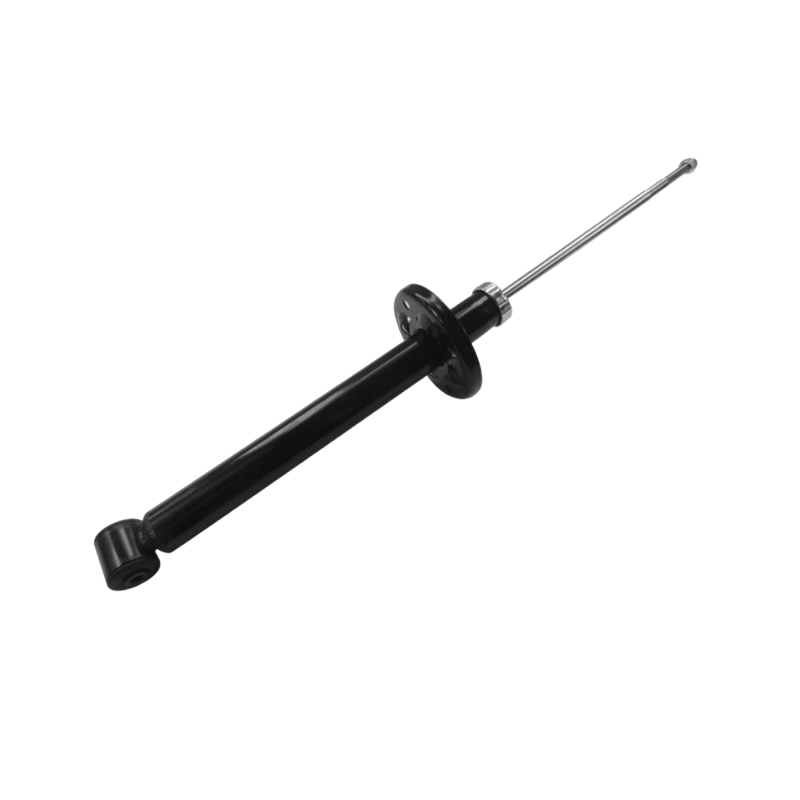
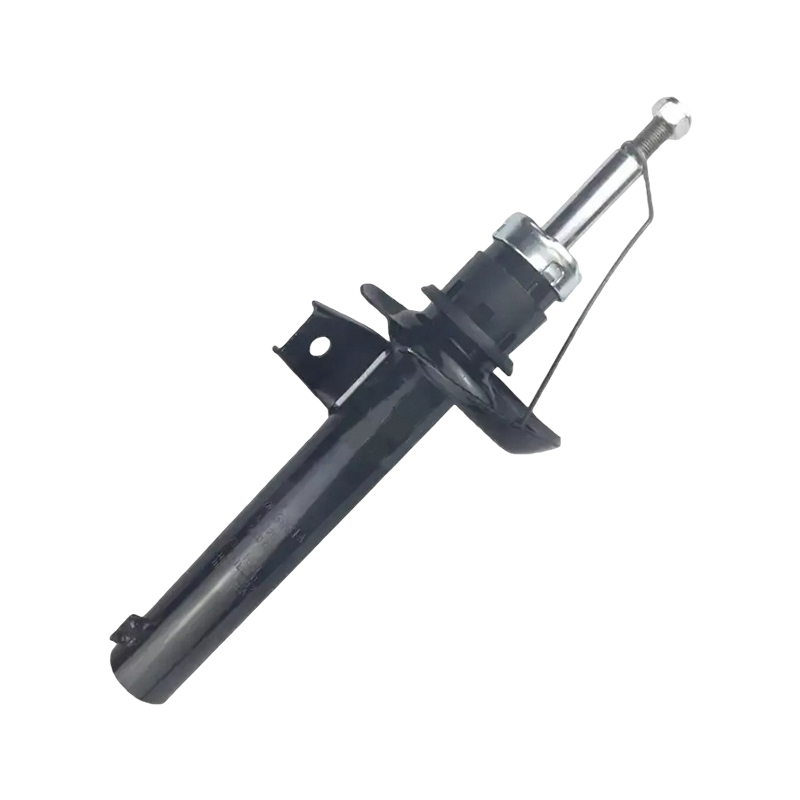
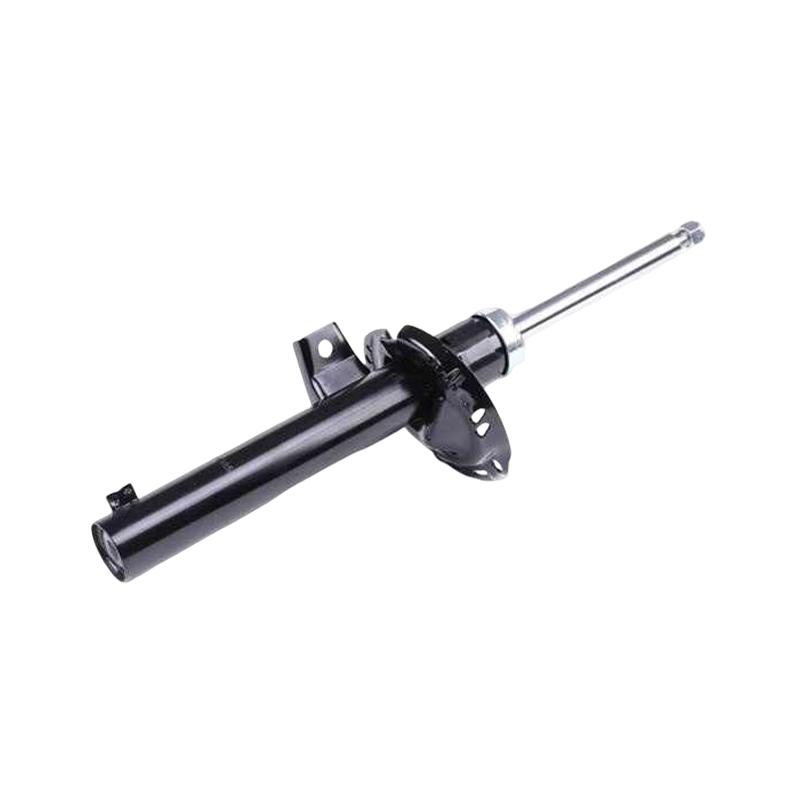
In the automotive industry, shock absorbers work in conjunction with suspension springs to determine the overall handling stability and ride quality of a vehicle. High-quality shock absorbers keep tires firmly planted on the ground on bumpy roads, improving grip and braking efficiency; they also suppress body roll during high-speed cruising, enhancing driver confidence. Their performance directly affects steering precision, braking distance, and even tire wear uniformity. High-end models employ variable damping technology, adjusting stiffness in real time according to road conditions or driving mode to achieve a dynamic balance between comfort and sportiness.
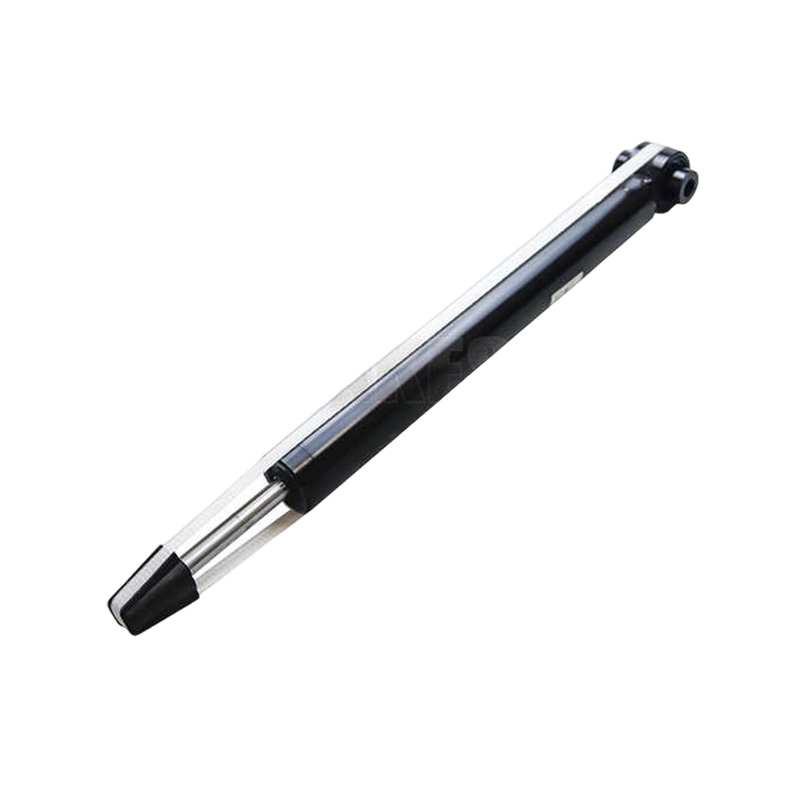
In industrial applications, shock absorbers come in various forms and have specialized functions. Large fans, compressors, and stamping presses are often equipped with hydraulic or rubber vibration damping supports to isolate vibrations from being transmitted to the foundation structure, preventing resonance damage to the factory or affecting surrounding precision instruments. Elevator guides, robotic arms on automated production lines, and even precision optical platforms also rely on miniature or customized damping components to ensure operational accuracy and repeatability. In these scenarios, shock absorbers are not only protective devices but also invisible pillars ensuring process quality.
Modern shock absorbers are designed with expertise in materials science, fluid mechanics, and manufacturing processes. The cylinder body is constructed from high-strength seamless steel tubing with precision-honed inner walls to reduce friction. The piston valve system has undergone repeated simulations and real-world testing for optimization, ensuring a smooth and linear damping curve. The sealing system can withstand high temperatures, dust, and oil aging over extended periods. Some products also integrate dust covers, oil reservoirs, or gas chambers to further enhance response speed and durability.
Furthermore, the maintenance status of the shock absorber directly reflects the system's health. Oil leaks, abnormal noises, stroke jamming, or decreased support force are often early signs of overall performance degradation. Regular inspections and timely replacements not only restore original performance but also prevent damage to other expensive components, offering significant long-term economic benefits.
Behind every smooth turn and every quietly operating piece of equipment, the shock absorber works silently. It generates no power, yet makes power more controllable; it is inconspicuous, yet makes the entire system more reliable. Because in the world of dynamic engineering, true stability never comes from rigid resistance, but from the intelligent channeling of energy—and this is the fundamental meaning of the existence of shock absorbers.
The basic principle of a shock absorber is to convert mechanical vibration into heat energy and release it. When a wheel encounters a bump or a machine vibrates, a piston reciprocates within a cylinder filled with specialized fluid, forcing the fluid through tiny orifices or valves. This process generates controllable resistance, or "damping force," effectively suppressing excessive rebound from springs or structures and preventing continuous oscillation. Whether it's body roll during high-speed cornering or the violent shaking during the start-up and shutdown of heavy machinery, the shock absorber responds quickly and smoothly dissipates excess energy.
In the automotive industry, shock absorbers work in conjunction with suspension springs to determine the overall handling stability and ride quality of a vehicle. High-quality shock absorbers keep tires firmly planted on the ground on bumpy roads, improving grip and braking efficiency; they also suppress body roll during high-speed cruising, enhancing driver confidence. Their performance directly affects steering precision, braking distance, and even tire wear uniformity. High-end models employ variable damping technology, adjusting stiffness in real time according to road conditions or driving mode to achieve a dynamic balance between comfort and sportiness.
In industrial applications, shock absorbers come in various forms and have specialized functions. Large fans, compressors, and stamping presses are often equipped with hydraulic or rubber vibration damping supports to isolate vibrations from being transmitted to the foundation structure, preventing resonance damage to the factory or affecting surrounding precision instruments. Elevator guides, robotic arms on automated production lines, and even precision optical platforms also rely on miniature or customized damping components to ensure operational accuracy and repeatability. In these scenarios, shock absorbers are not only protective devices but also invisible pillars ensuring process quality.
Modern shock absorbers are designed with expertise in materials science, fluid mechanics, and manufacturing processes. The cylinder body is constructed from high-strength seamless steel tubing with precision-honed inner walls to reduce friction. The piston valve system has undergone repeated simulations and real-world testing for optimization, ensuring a smooth and linear damping curve. The sealing system can withstand high temperatures, dust, and oil aging over extended periods. Some products also integrate dust covers, oil reservoirs, or gas chambers to further enhance response speed and durability.
Furthermore, the maintenance status of the shock absorber directly reflects the system's health. Oil leaks, abnormal noises, stroke jamming, or decreased support force are often early signs of overall performance degradation. Regular inspections and timely replacements not only restore original performance but also prevent damage to other expensive components, offering significant long-term economic benefits.
Behind every smooth turn and every quietly operating piece of equipment, the shock absorber works silently. It generates no power, yet makes power more controllable; it is inconspicuous, yet makes the entire system more reliable. Because in the world of dynamic engineering, true stability never comes from rigid resistance, but from the intelligent channeling of energy—and this is the fundamental meaning of the existence of shock absorbers.